Public Lecture: Professor Nicholas Royle, 'Life-Writing and the New Fantastic: Possibilities and Pleasures for Life-Writers and Readers'
from £0.00
Date: 10 February 2026
Time: 17:30
Location: The Buttery, Wolfson College and Online via Zoom
What possibilities and pleasures might fantasy, the weird, the uncanny, and the queer offer life-writers and readers?
For many, life-writing aims to authentically narrate the ‘real’, factual experiences of a life. Yet, as Professor Nicholas Royle (University of Sussex) contends, expressions of ‘the weird’ and ‘the uncanny’—often associated with fantasy and supernatural literature—increasingly seep into contemporary life-writing. After all, lived experience is not always straightforward or easily narrated: memory can blur and distort, coincidence can feel charged with meaning, and the everyday can suddenly seem strange or out of place.
Royle calls this contemporary drift of strangeness into the ‘real’ the ‘New Fantastic’: a way of writing that narrates ordinary life while registering its weirdness—its slips, shocks, and uncanny moments. In turn, this lecture asks:
What can these engagements with the weird and the uncanny tell us about life-writing today?
‘The uncanny’ names an unnerving moment when the familiar suddenly feels strange, while ‘the weird’ points to that which exceeds the usual rules of reality. They make the world feel odd, askew, out of joint—or, indeed, ‘queer’. Drawing upon the French philosopher Jacques Derrida’s provocation that ‘to be is to be queer’, Royle asks,
What happens when life-writing refuses neat, ‘straight’ stories of the self, and instead stays with what feels unstable, difficult, or hard to explain?
What's queer about contemporary life-writing?
This talk will draw on classic supernatural fiction by the American writer H.P. Lovecraft and the English writer Algernon Blackwood, alongside experimental, reflective writing by the French writer and theorist Hélène Cixous and the British writer Lara Pawson. In so doing, Royle considers how the ‘New Fantastic’ can open up new challenges and pleasures for life-writers and their readers.
Touching on life-writing, creative and critical writing, and literary theory, this lecture will appeal to writers, students, and scholars of literature, as well as anyone interested in memoir and contemporary experimental writing. It will also be of interest to those curious about queer approaches to culture, psychoanalysis, and the weird and uncanny in fiction and everyday life. No prior specialist knowledge or preparation is required. However, attendees may find it helpful to read Algernon Blackwood’s ‘The Man Whom the Trees Loved’ (1912).
Speaker Details:
Nicholas Royle is Emeritus Professor of English at the University of Sussex. He is the author of many critical works, including Telepathy and Literature (1991), E.M. Forster (1999), The Uncanny (2003), Jacques Derrida (2003), Veering: A Theory of Literature (2011), Hélène Cixous: Dreamer, Realist, Analyst, Writing (2020), as well as (with Andrew Bennett) Elizabeth Bowen and the Dissolution of the Novel (1995) and the Introduction to Literature, Criticism and Theory (sixth edition, 2023). He has also published the novels Quilt (2010) and An English Guide to Birdwatching (2017), along with Mother: A Memoir (2020) and David Bowie, Enid Blyton and the Sun Machine (2023). He is currently working on two projects: a book about Virginia Woolf and Palestine, and a study of The Weird, the Uncanny and the New Fantastic.
Further Details and Contacts:
After the event, please join us for a complimentary wine reception.
This hybrid event is free and open to all. Delivering our lectures costs the Centre around £20 per attendee. If you are able, please consider making a voluntary donation of £5, £10, £20, or £50 to help us cover these costs and keep our events accessible to all. No one will be turned away for lack of funds.
Registration is strongly recommended for in-person attendance and required for hybrid attendance. Registration will close at 14:30 on 10/02/2026.
The event will be recorded and made available on the OCLW website soon after. Registration is not required to access the recording.
Queries regarding this event should be addressed to OCLW Events Manager, Dr Eleri Anona Watson.
Attendance Type:
Voluntary Donation (£0-£50):
Date: 10 February 2026
Time: 17:30
Location: The Buttery, Wolfson College and Online via Zoom
What possibilities and pleasures might fantasy, the weird, the uncanny, and the queer offer life-writers and readers?
For many, life-writing aims to authentically narrate the ‘real’, factual experiences of a life. Yet, as Professor Nicholas Royle (University of Sussex) contends, expressions of ‘the weird’ and ‘the uncanny’—often associated with fantasy and supernatural literature—increasingly seep into contemporary life-writing. After all, lived experience is not always straightforward or easily narrated: memory can blur and distort, coincidence can feel charged with meaning, and the everyday can suddenly seem strange or out of place.
Royle calls this contemporary drift of strangeness into the ‘real’ the ‘New Fantastic’: a way of writing that narrates ordinary life while registering its weirdness—its slips, shocks, and uncanny moments. In turn, this lecture asks:
What can these engagements with the weird and the uncanny tell us about life-writing today?
‘The uncanny’ names an unnerving moment when the familiar suddenly feels strange, while ‘the weird’ points to that which exceeds the usual rules of reality. They make the world feel odd, askew, out of joint—or, indeed, ‘queer’. Drawing upon the French philosopher Jacques Derrida’s provocation that ‘to be is to be queer’, Royle asks,
What happens when life-writing refuses neat, ‘straight’ stories of the self, and instead stays with what feels unstable, difficult, or hard to explain?
What's queer about contemporary life-writing?
This talk will draw on classic supernatural fiction by the American writer H.P. Lovecraft and the English writer Algernon Blackwood, alongside experimental, reflective writing by the French writer and theorist Hélène Cixous and the British writer Lara Pawson. In so doing, Royle considers how the ‘New Fantastic’ can open up new challenges and pleasures for life-writers and their readers.
Touching on life-writing, creative and critical writing, and literary theory, this lecture will appeal to writers, students, and scholars of literature, as well as anyone interested in memoir and contemporary experimental writing. It will also be of interest to those curious about queer approaches to culture, psychoanalysis, and the weird and uncanny in fiction and everyday life. No prior specialist knowledge or preparation is required. However, attendees may find it helpful to read Algernon Blackwood’s ‘The Man Whom the Trees Loved’ (1912).
Speaker Details:
Nicholas Royle is Emeritus Professor of English at the University of Sussex. He is the author of many critical works, including Telepathy and Literature (1991), E.M. Forster (1999), The Uncanny (2003), Jacques Derrida (2003), Veering: A Theory of Literature (2011), Hélène Cixous: Dreamer, Realist, Analyst, Writing (2020), as well as (with Andrew Bennett) Elizabeth Bowen and the Dissolution of the Novel (1995) and the Introduction to Literature, Criticism and Theory (sixth edition, 2023). He has also published the novels Quilt (2010) and An English Guide to Birdwatching (2017), along with Mother: A Memoir (2020) and David Bowie, Enid Blyton and the Sun Machine (2023). He is currently working on two projects: a book about Virginia Woolf and Palestine, and a study of The Weird, the Uncanny and the New Fantastic.
Further Details and Contacts:
After the event, please join us for a complimentary wine reception.
This hybrid event is free and open to all. Delivering our lectures costs the Centre around £20 per attendee. If you are able, please consider making a voluntary donation of £5, £10, £20, or £50 to help us cover these costs and keep our events accessible to all. No one will be turned away for lack of funds.
Registration is strongly recommended for in-person attendance and required for hybrid attendance. Registration will close at 14:30 on 10/02/2026.
The event will be recorded and made available on the OCLW website soon after. Registration is not required to access the recording.
Queries regarding this event should be addressed to OCLW Events Manager, Dr Eleri Anona Watson.
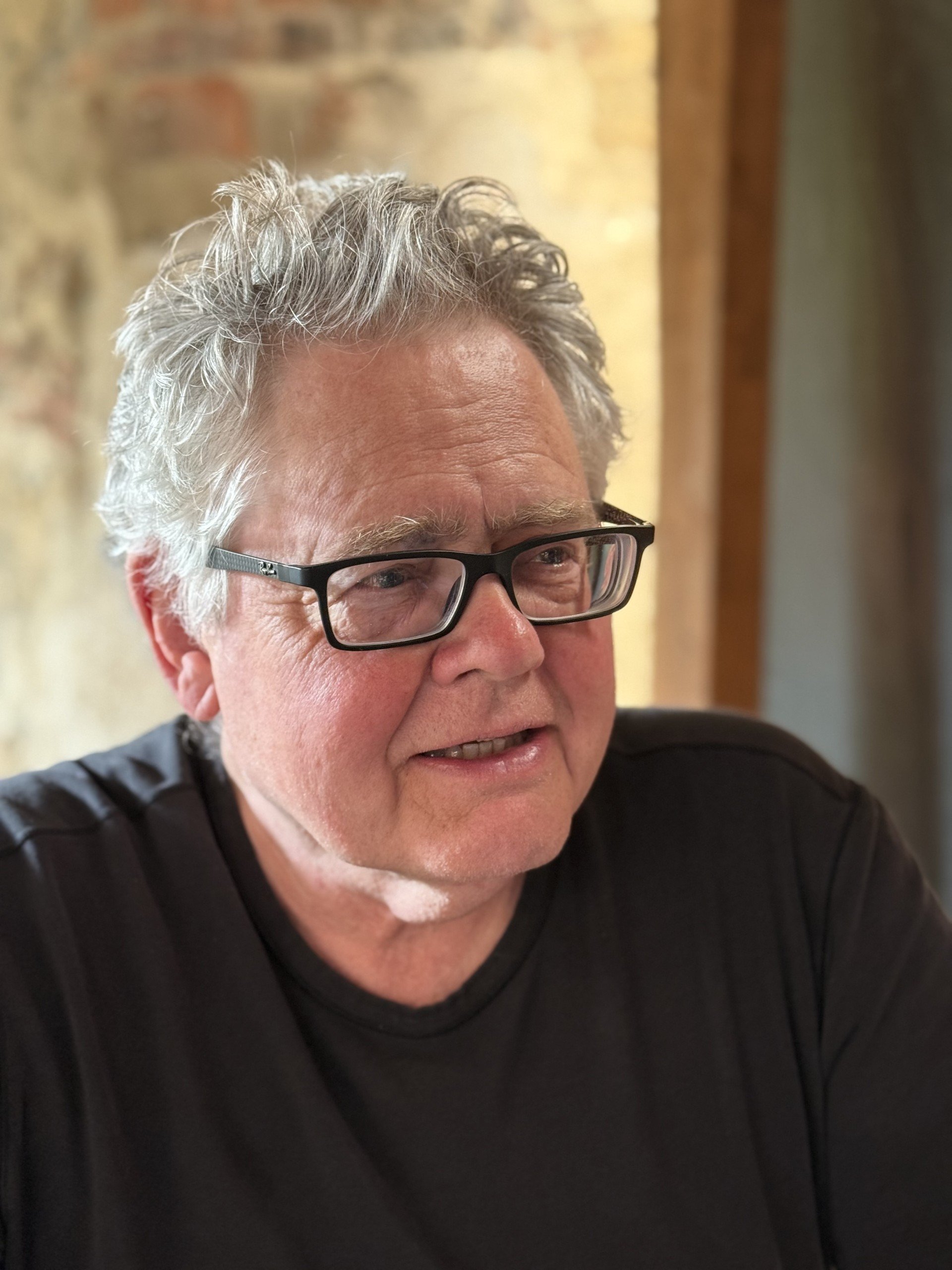 Image 1 of 6
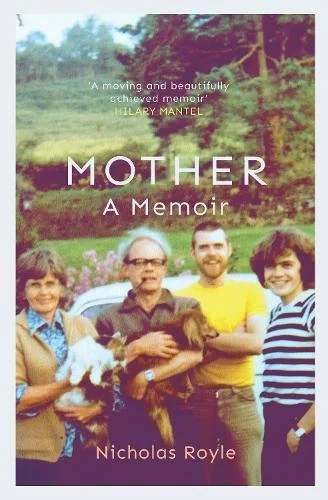 Image 2 of 6
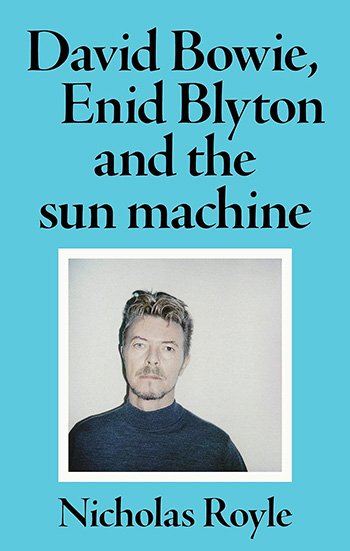 Image 3 of 6
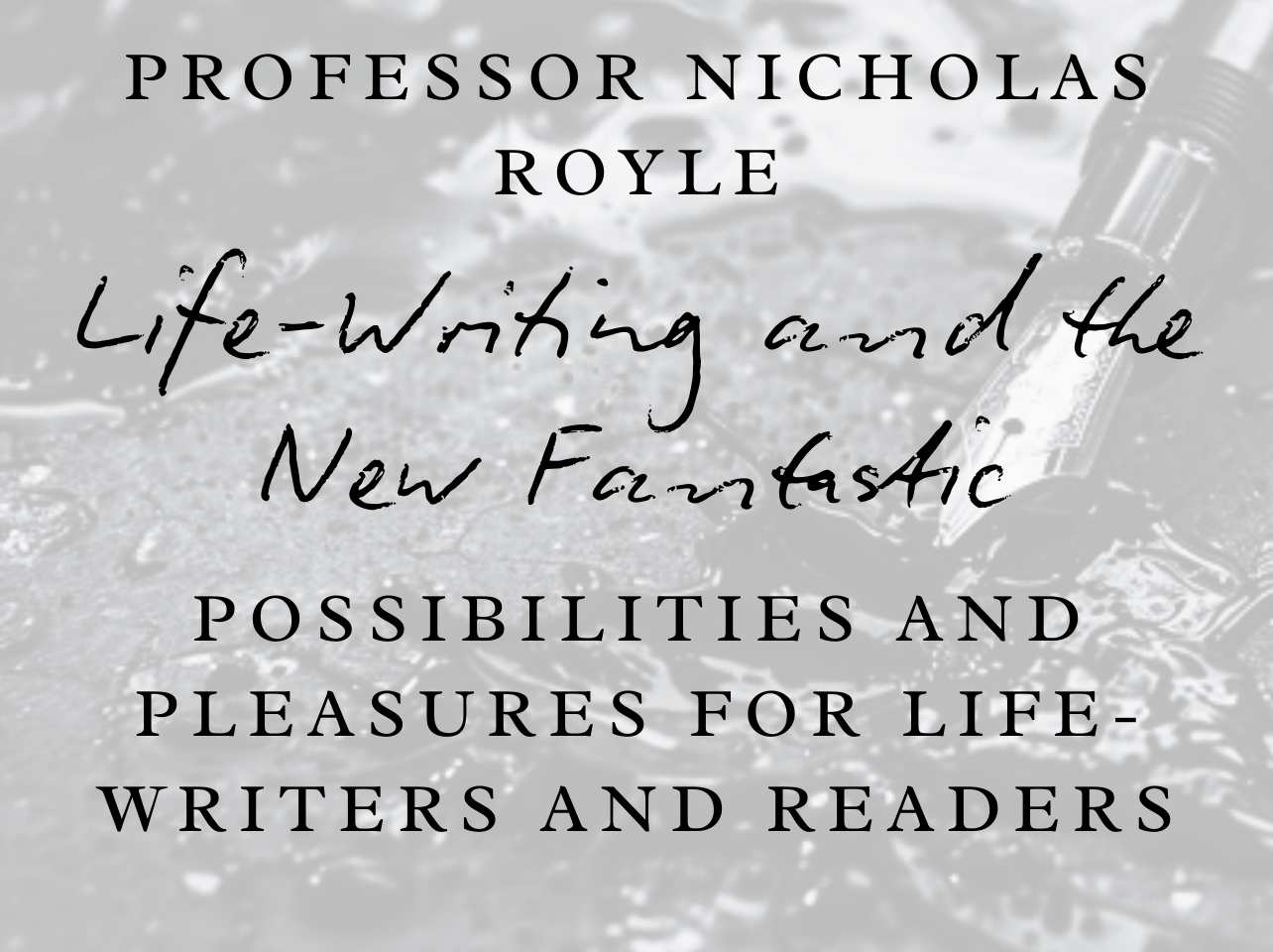 Image 4 of 6
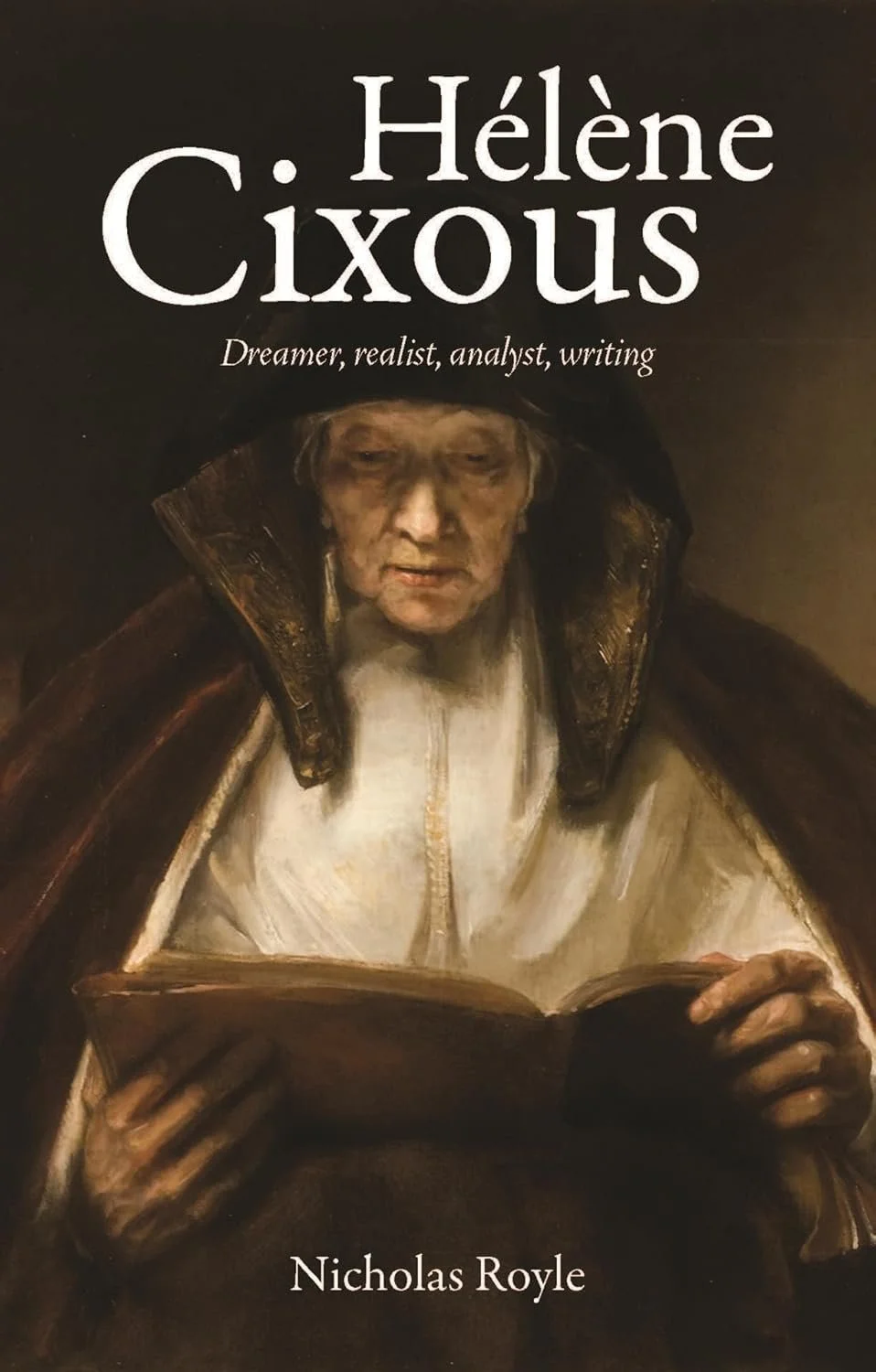 Image 5 of 6
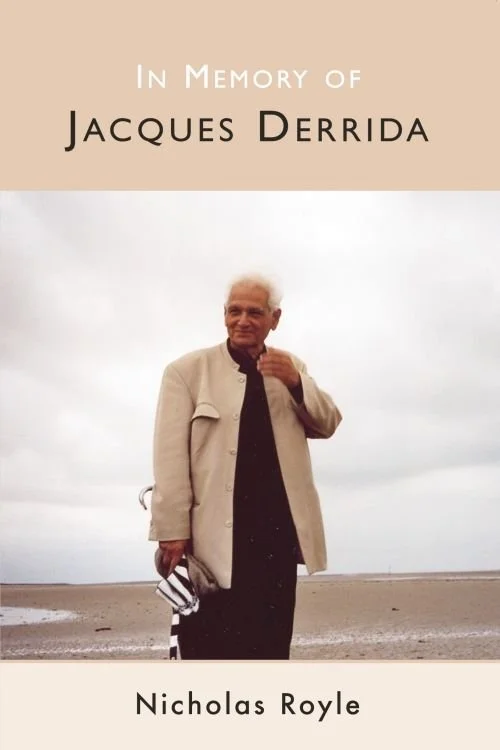 Image 6 of 6